Systems That Only Work on Full Batteries
January 21, 2026

Marcel Ventosa
CEO
Systems architect in construction and culture. Writing at the seams of structure and reflection.
View on LinkedIn →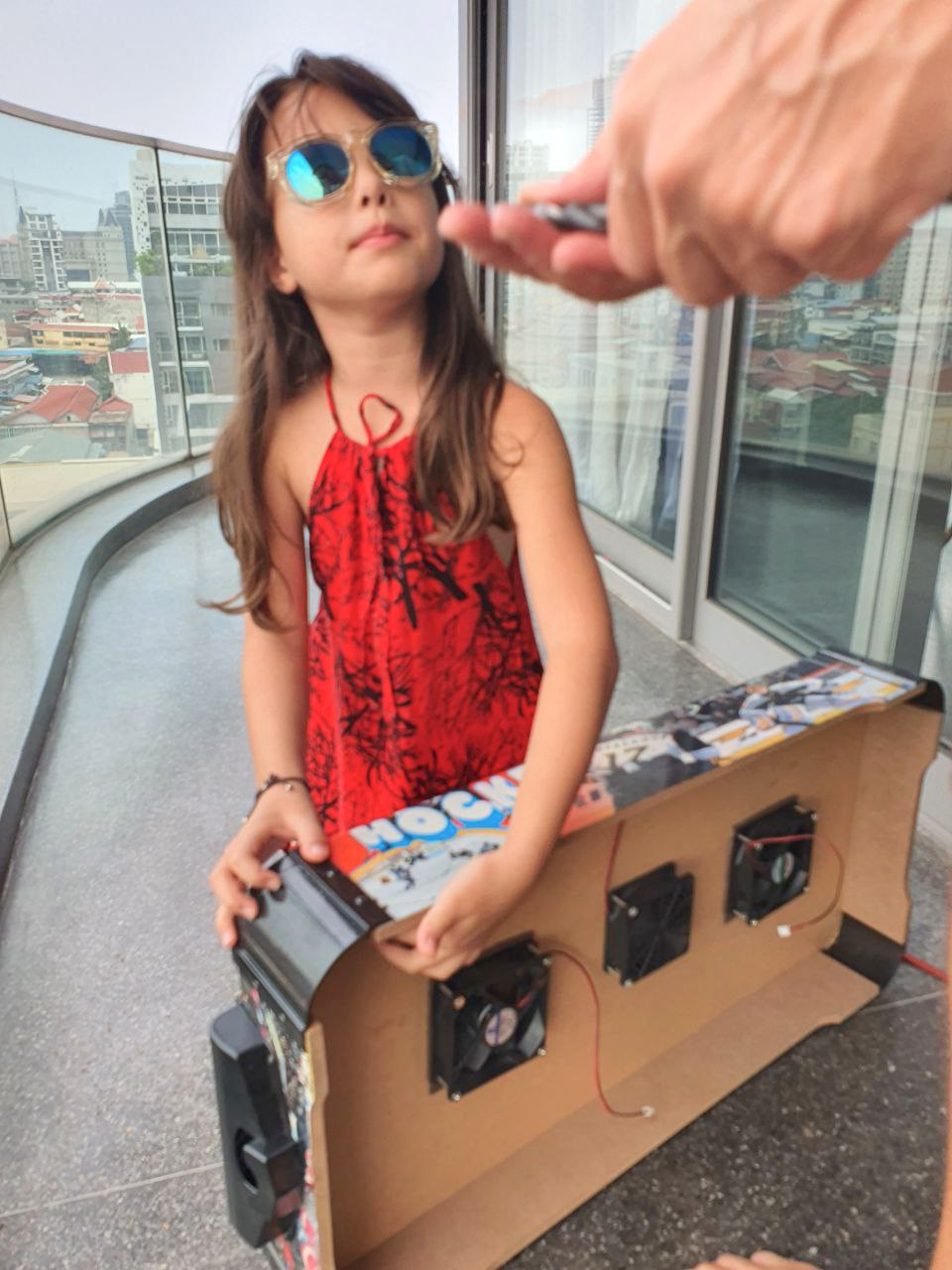
We received an air hockey table as a Christmas gift from her grandmother.
Single fan. Battery powered. On paper, fine.
We even bought rechargeable batteries.
It became obvious almost immediately that it was only fun when the batteries were full.
And even then, just barely.
The fixes were predictable:
fresh charges, shorter sessions, adjusted expectations.
Eventually we stopped optimizing usage and changed the structure instead.
Triple fans. Proper power. A switch.
Nothing became more exciting.
The table just stopped resisting its own purpose.
I see this pattern everywhere.
When a system relies on peak conditions to function, the hidden work quickly becomes “normal.”
Charging cycles. Careful timing. Workarounds. “Just manage it.”
By the time something breaks, the cost is already sunk.
A simple test helps: if it only works when everything is perfect, it’s not working.
It’s borrowing stability from the people around it.
The goal isn’t higher discipline.
It’s less resistance.
Ready to Build with Confidence?
Whether you need project management, construction oversight, or design coordination — we're here to help.
Related Articles

Good Enough Is a Form of Drag
February 6, 2026
We upgraded our meeting room not because it was broken, but because it had been “good enough” for too long. Progress sometimes comes from creating pressure for yourself, then removing the frictions you’ve normalized.
Read more →
The Infrastructure Is Deeper Than the Insight
April 8, 2026
The most powerful systems are the ones you forget are systems. Clock time, passports, currency -- all designed, imposed, and repeated until they felt like reality.
Read more →
If It's Not in the System, It Doesn't Exist
March 3, 2026
Most project stress doesn't come from complexity. It comes from partial memory. Structure first. Clarity follows.
Read more →