The Documentation You Skip Is the Answer You Need
April 23, 2026

Marcel Ventosa
CEO
Systems architect in construction and culture. Writing at the seams of structure and reflection.
View on LinkedIn →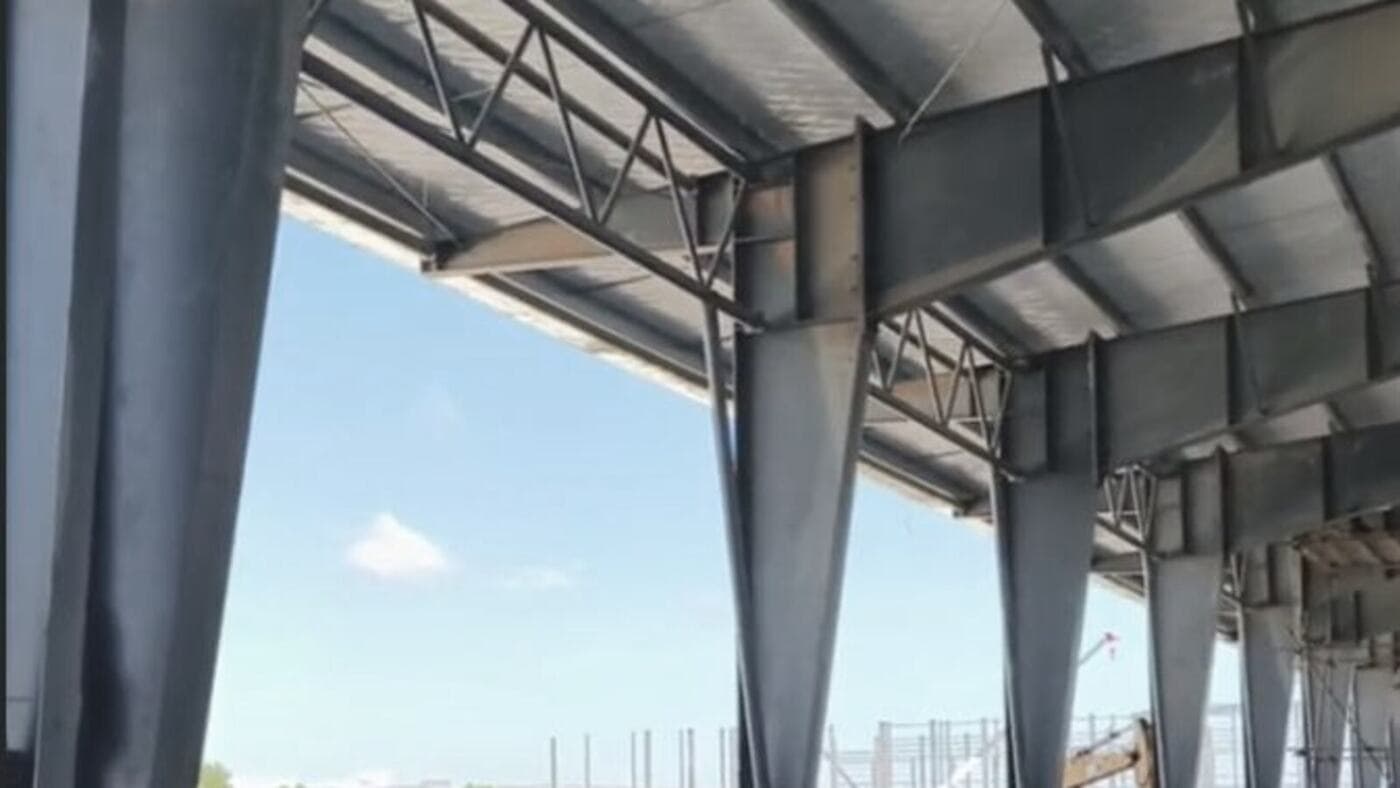
Last month I walked onto a construction site that was eighty percent complete. Ten hectares. Concrete poured eighteen months ago. No FIDIC contract. No method statements. No variation orders archived. No construction manager on record.
The owner wanted to know if the foundations were sound.
An answer exists. It is not the one he could have had eighteen months ago, with the right consultants on site, for a fraction of the cost. You can take cores. You can run indirect tests. You can estimate probabilities. You can say what is likely true.
The certainty he wanted was spent before he asked. The cheap way to know closed a year and a half ago. What remains is slower, more expensive, and less certain.
We sat in the site office and I explained that to him. He was not happy. Neither was I.
The Arithmetic of Small Omissions
Every one of those missing documents was skipped at a moment when it felt cheaper to move forward without it. Method statements take hours to write. Variation orders slow momentum on site. Proper contracts cost legal fees upfront. Each omission saved something small.
The total cost of those savings now lives under the building.
This is the asymmetry construction never stops teaching me. Small acts of documentation, done consistently, are almost free. Without them, recovery is partial at best. Cores and indirect tests will give you probabilities. They will not give you the record that was never written.
Why This Is a Systems Problem, Not a Discipline Problem
For a long time the industry has treated documentation as a matter of professional discipline. Good project managers document. Diligent contractors archive. Serious owners demand paperwork. When it fails, someone gets blamed for a lapse of rigour.
I no longer think that framing is useful. Discipline is a renewable resource until it is not. Memory is reliable until the site engineer leaves. Motivation holds until the schedule slips. Any system that depends on every person doing the right thing at every moment is a system designed to fail at scale.
The projects I trust now are the ones where documentation is a byproduct of how work happens, not an additional task layered on top of it. Photos geotagged automatically. Variation orders that cannot be actioned without being logged. Method statements tied to the release of materials. Inspections that do not close without a record attached.
When the system produces the paper trail on its own, the question of whether anyone felt like documenting that day stops mattering.
The Question Changes with Time
The owner in that site office asked a question that had a cheap answer eighteen months ago and an expensive one today. That gap is not unusual. It is the structure of almost every question worth asking about a building.
Is the structure sound? Was the concrete mix correct? Were the rebar placements to spec? Did the subcontractor follow the approved method? Each of these questions gets harder and more expensive to answer with every month that passes without a record.
After a certain point, the answer stops being affordable. Not because the information no longer exists, but because retrieving it requires destructive testing, expert opinion, and probability rather than fact.
What I Tell Owners Now
The next owner I meet will not ask the sound-foundations question differently. He will ask it earlier. Before the pour. Before the contract. Before the first invoice.
Because the real decision is not whether to document. It is when. And the when determines what the question costs to answer later.
Build the system so the documentation is automatic. Then the question of whether anyone felt like writing it down stops being a question at all.
Ready to Build with Confidence?
Whether you need project management, construction oversight, or design coordination, we're here to help.
Related Articles

A Facade Change That Became a Contractual Lesson
November 19, 2025
In one of our earlier projects under FIDIC Red Book 1999, the facade was designed as GRC. The contractor asked to switch. The Engineer approved. But no cost entitlement followed.
Read more →
Visibility Is Not Suspicion
February 25, 2026
If structured visibility destabilizes a partnership, that tells you something important. Not about trust, about how the system was working before.
Read more →
When a Façade Change Becomes a Contract Lesson
November 26, 2025
A practical look at how a contractor-initiated design change under FIDIC Red Book 1999 became a Variation in principle, but without cost entitlement due to cause and timing.
Read more →