The Price Dropped. The Structure Did Not.
April 27, 2026

Marcel Ventosa
CEO
Systems architect in construction and culture. Writing at the seams of structure and reflection.
View on LinkedIn →
A month ago I wrote that Cambodia's construction sector was already in an energy crisis. Diesel up 84% since February. LPG more than tripled at the bottle level. I argued it was structural, not temporary, and that projects underwritten on last quarter's assumptions would age badly.
A reasonable person reading the news this week would conclude I was wrong.
Diesel has dropped from 8,200 riels to 5,700. Gasoline is near pre-crisis levels. The Strait of Hormuz was declared "completely open" by Iran on April 17. Headlines are easing.
This is the part of the cycle that is most dangerous to misread.
Three mechanisms, one real
Three mechanisms are propping up the apparent calm. Only one of them reflects a real improvement in underlying conditions. The rest are either policy intervention or market adjustment under constraint.
The strait is operating below capacity under layered constraints. Tanker traffic appears to be below pre-war levels. Iran is charging significant transit fees. The US Navy is enforcing interdictions on Iranian flows. Industry guidance and surveys point to a delayed normalization. The announcement on April 17 moved sentiment. It did not fully restore volumes. Prices have normalized faster than flows. That divergence is the risk.
The price at the pump is being absorbed by the state. The Cambodian government is subsidizing roughly $50 million per month. VAT on diesel has been cut from 10% to 0%, special tax from 4% to 0%, additional duties zeroed. That is a fiscal instrument, not a market signal. It cannot run indefinitely.
The cleaner signal is LPG. Diesel is almost back to pre-crisis pricing at the pump. LPG is not. A 48-litre bottle that peaked at $155 has come down to around $100 in the last week. That is relief, but it is still roughly double what it cost in February.
Why the divergence matters
The difference is structural. Transport fuels are politically visible and currently subsidized. LPG is not. Diesel pricing is being partially administered through tax cuts and fiscal absorption. LPG pricing is still closer to the underlying market.
That divergence matters. It suggests that the apparent normalization at the pump is not being driven by a full recovery in supply conditions. It is being engineered at the point of visibility. The parts of the economy that do not benefit from that visibility, small commercial users, restaurants, light industry, are still paying closer to the real price.
When LPG prices ease without a corresponding policy change or global move, one plausible explanation is demand adjusting downward. That tends to happen first in F&B and light industry, where energy is a direct operating cost rather than a pass-through.
What can be observed, and what has to be inferred
The only directly observable signal here is fiscal intervention. Most of the rest, volumes, routing, demand shifts, has to be inferred and should be treated as directional rather than definitive.
The Persian Gulf moves a large share of the world's nitrogen fertilizer. If flows remain constrained, the effect will not show now. It will show in food prices later in the year. That is the kind of second-order shock that hits construction demand just as current projects come online.
Cambodia imports all its fuel and all its fertilizer. No refinery, no reserve. Pricing tied to Singapore, tied to a global market that has not fully normalized.
On the ground, four weeks later
On the ground, four weeks later, the structure has not changed. Speculative residential is still effectively paused for anyone who needs financing. The projects moving are institutional money, donor work, and owners with cash who can wait. Contractors carrying debt and a fixed pipeline are not cured by a temporary drop at the pump.
The structure has not improved. The danger is that decisions are now being made as if it has.
The contractors I would expect to come through this are doing three things. They are repricing live contracts before the next step up, not waiting for it. They are cutting their pipeline targets by 30 to 40% and concentrating on institutional and donor-backed work. And they are holding cash instead of deploying it, because the next twelve months will produce takeover opportunities, and only liquidity buys those.
A small data point
A friend in F&B told me he just had a strong Khmer New Year week. It is a small data point, but consistent with what you would expect. More Cambodian customers than usual, fewer expats. His read was that Cambodians who would normally have travelled stayed in town, and some of his regular expats have left and are not coming back.
That is the shape of what is already happening. Cambodians conserving. Expats thinning out. His sales line looks fine. The customer base under it has rotated and contracted at the same time.
The projects that work in twelve months are the ones positioned for who is still here and what they are actually spending on.
If you are approving a project this quarter on assumptions written before March, you are not being optimistic. You are underwriting an economy that has not actually arrived. And may not.
Ready to Build with Confidence?
Whether you need project management, construction oversight, or design coordination, we're here to help.
Related Articles
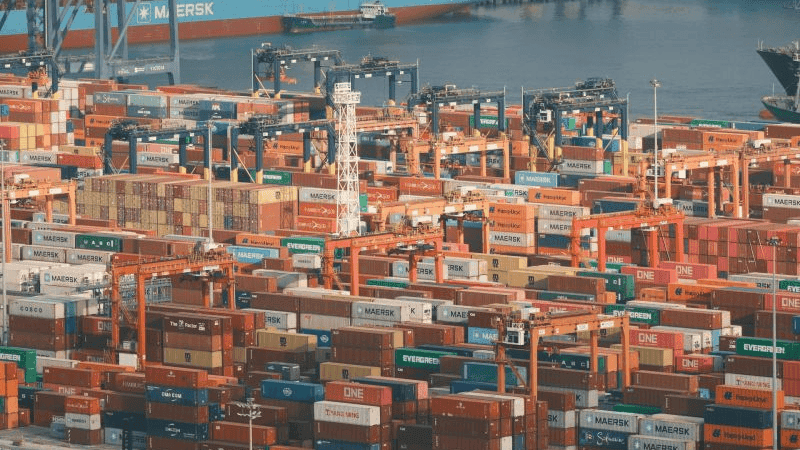
The Energy Crisis Is Already Here
March 30, 2026
Diesel is up 84%. LPG has tripled. On our sites, nothing moves without fuel. This changes what gets built in Cambodia.
Read more →
A Facade Change That Became a Contractual Lesson
November 19, 2025
In one of our earlier projects under FIDIC Red Book 1999, the facade was designed as GRC. The contractor asked to switch. The Engineer approved. But no cost entitlement followed.
Read more →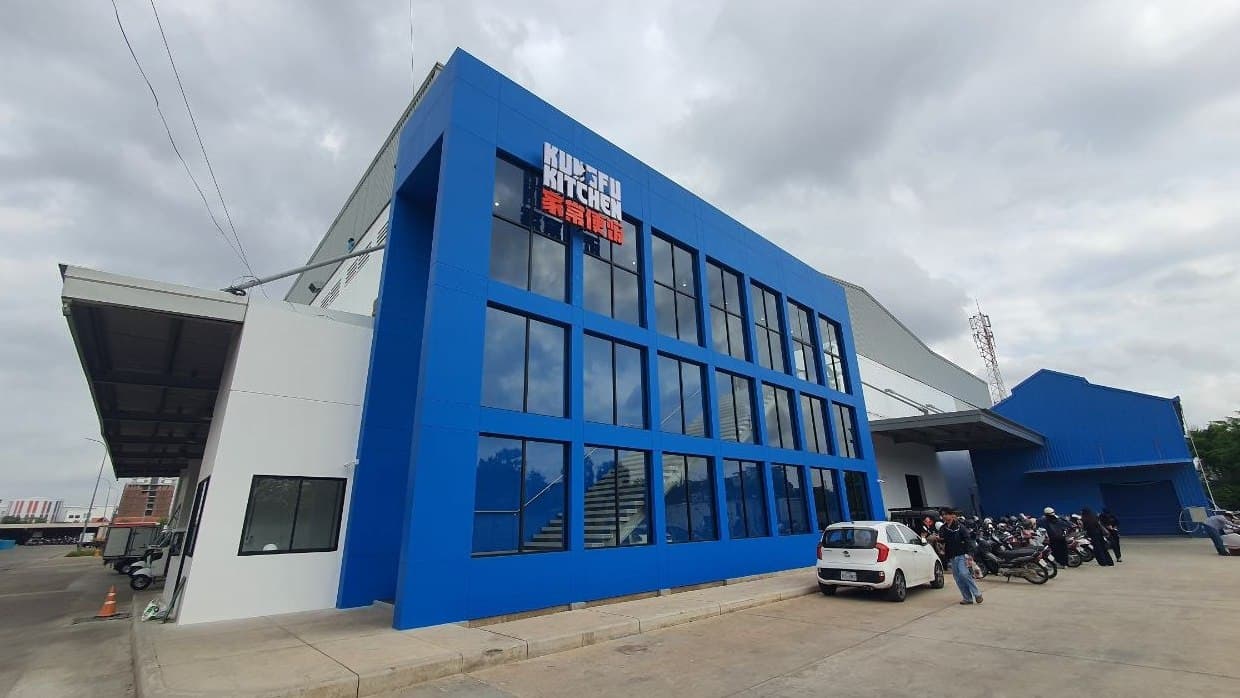
KFK Central Kitchen Complete and Operational
August 5, 2026
Kungfu Kitchen's new central kitchen and warehouse facility in Phnom Penh is now complete. CAS managed the project from demolition through architectural, MEP, cold storage, and handover.
Read more →