When Less Reveals More
October 30, 2025

Marcel Ventosa
CEO
Systems architect in construction and culture. Writing at the seams of structure and reflection.
View on LinkedIn →
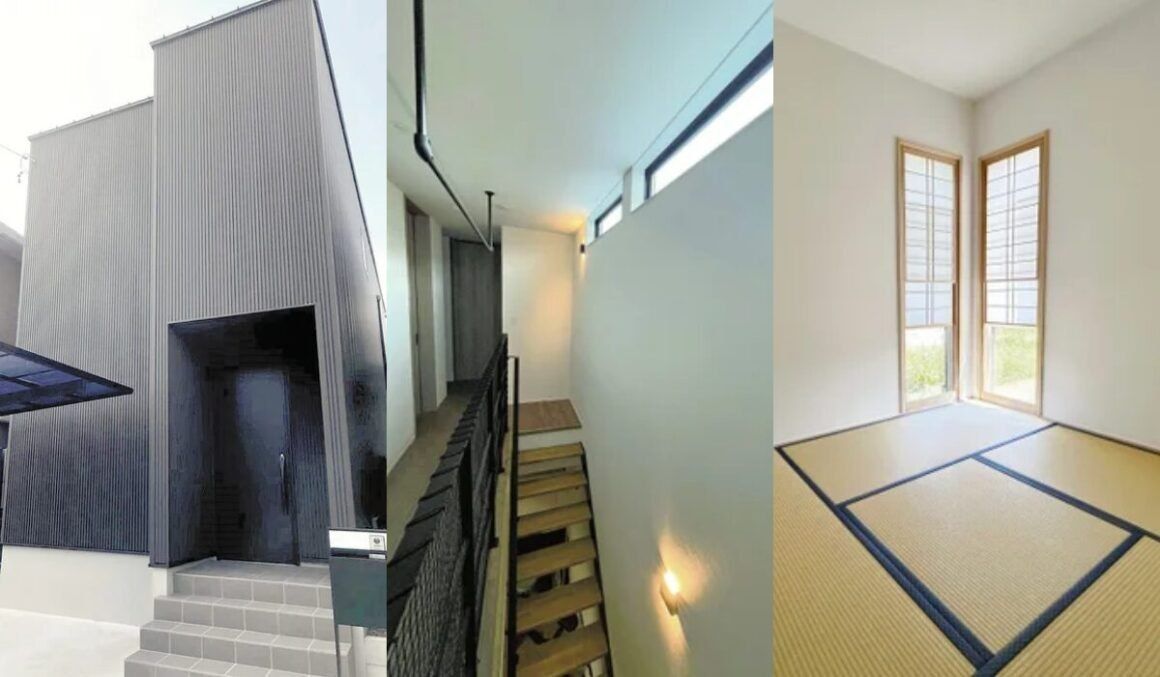
A single, well-placed window that frames a view from a precise spot can move us more than a wall of glass.
When everything is visible, nothing is seen.
In Japan, a quiet architectural shift is redefining what openness means. Homes are being built with smaller, fewer windows, not from austerity, but from intent. It’s a return to design that values efficiency, privacy, and balance over sheer exposure.
For decades, large windows have symbolized comfort and transparency. Yet as our environments change, denser cities, warmer climates, and higher energy costs, design evolves to meet reality.
Smaller windows are not about limiting light, but about shaping it with care.
At Chenla Agathos Solutions, we’ve been watching this shift with interest. It’s a perfect example of how good design finds equilibrium between form and function. It’s not about adding more, it’s about choosing better.
When restraint is applied thoughtfully, it doesn’t reduce beauty; it refines it.
Design always adapts to context: cost, climate, lifestyle.
Read more on our company blog:
Smaller Windows, Bigger Efficiency? →
Ready to Build with Confidence?
Whether you need project management, construction oversight, or design coordination, we're here to help.
Related Articles
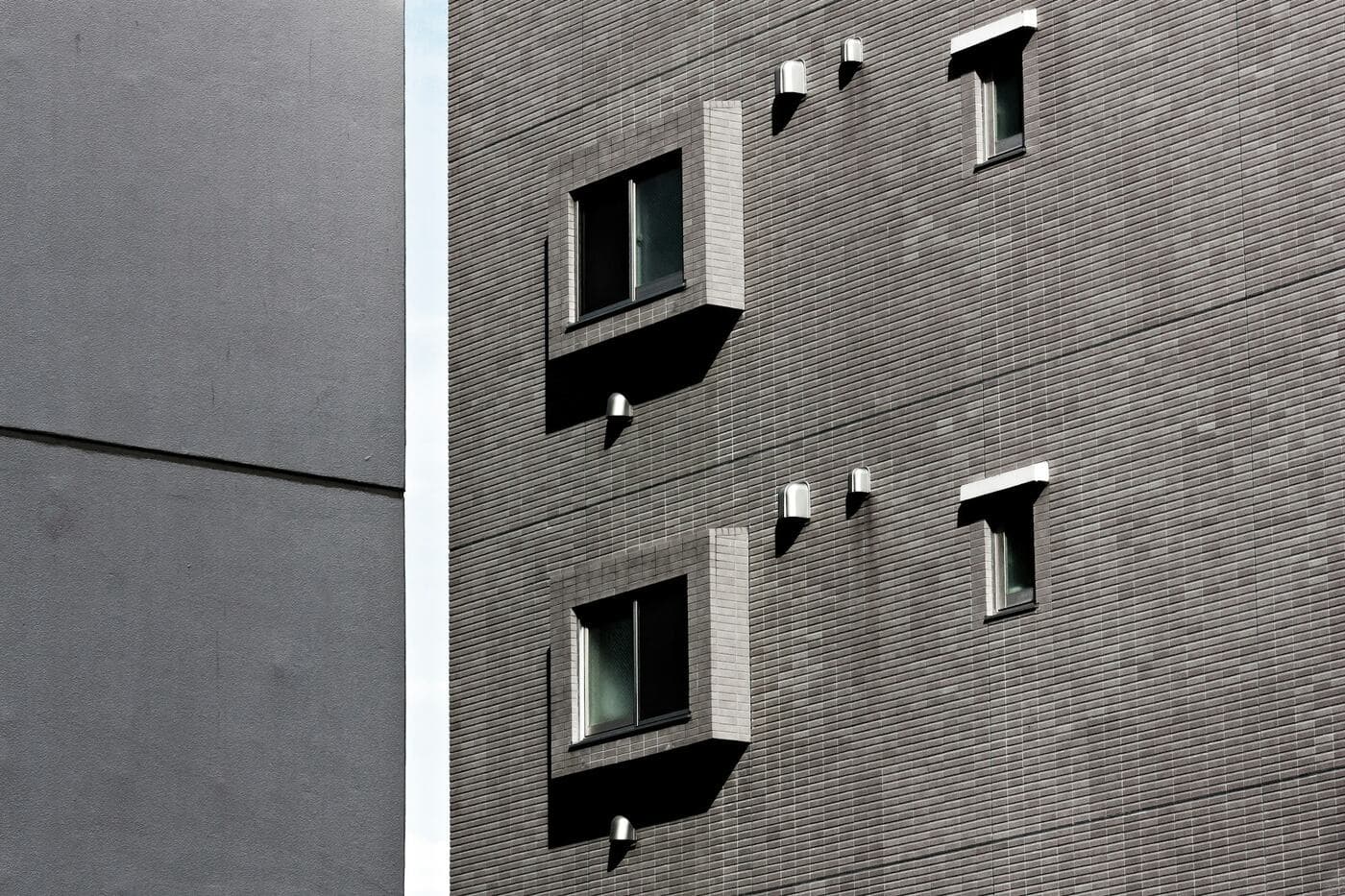
Smaller Windows, Better Performance?
October 27, 2025
In Japan, a quiet design shift is taking place, smaller windows, fewer openings, and smarter efficiency. Could this trend make sense in Cambodia?
Read more →
Roman Concrete: Material Intelligence That Lasts
February 5, 2026
Roman concrete endures not through brute strength, but through a material logic that anticipated change, imperfection, and time.
Read more →
What the Hong Kong Fire Reveals About EPS/XPS
December 10, 2025
The recent Hong Kong fire highlights a growing global issue: the rapid adoption of EPS/XPS foam in construction without proper testing and system design.
Read more →