Seven BIM Practices That Reduce Construction Risk
January 23, 2026
Chenla Agathos Solutions
Team Blog
Updates and insights from our project management, construction management, and quantity surveying teams.
View on LinkedIn →
Construction today carries a heavier risk load than ever: compressed schedules, complex building systems, unpredictable supply chains, and multiple disciplines working in parallel. A small coordination slip, a missed clash, an imprecise quantity, a poorly sequenced task, can trigger delays, rework, or safety issues.
BIM (Building Information Modeling) has become a global response to these risks. Beyond producing coordinated drawings, BIM introduces a digital environment where design decisions, quantities, scheduling, and compliance checks can be evaluated early, before a project reaches site.
This article outlines seven ways BIM-based engineering services help project teams turn reactive problem-solving into proactive risk management. It reflects global practice and the direction we are building toward through regional partnerships.
Understanding Construction Risk Management Essentials
Risk management in construction rests on early detection and structured decision-making. Most avoidable problems appear during the design and preconstruction phases, the least expensive stage to intervene.
Common risk points include:
- clashes between architectural, structural, and MEP systems
- quantity or cost inaccuracies
- sequencing problems that disrupt safety or logistics
- regulatory misalignment or late revisions
BIM-supported workflows offer earlier visibility, clearer communication, and fewer surprises during execution. While methods differ across markets, the underlying principle is consistent: a shared digital model reduces blind spots.
1. Advanced Visualization and Sequencing
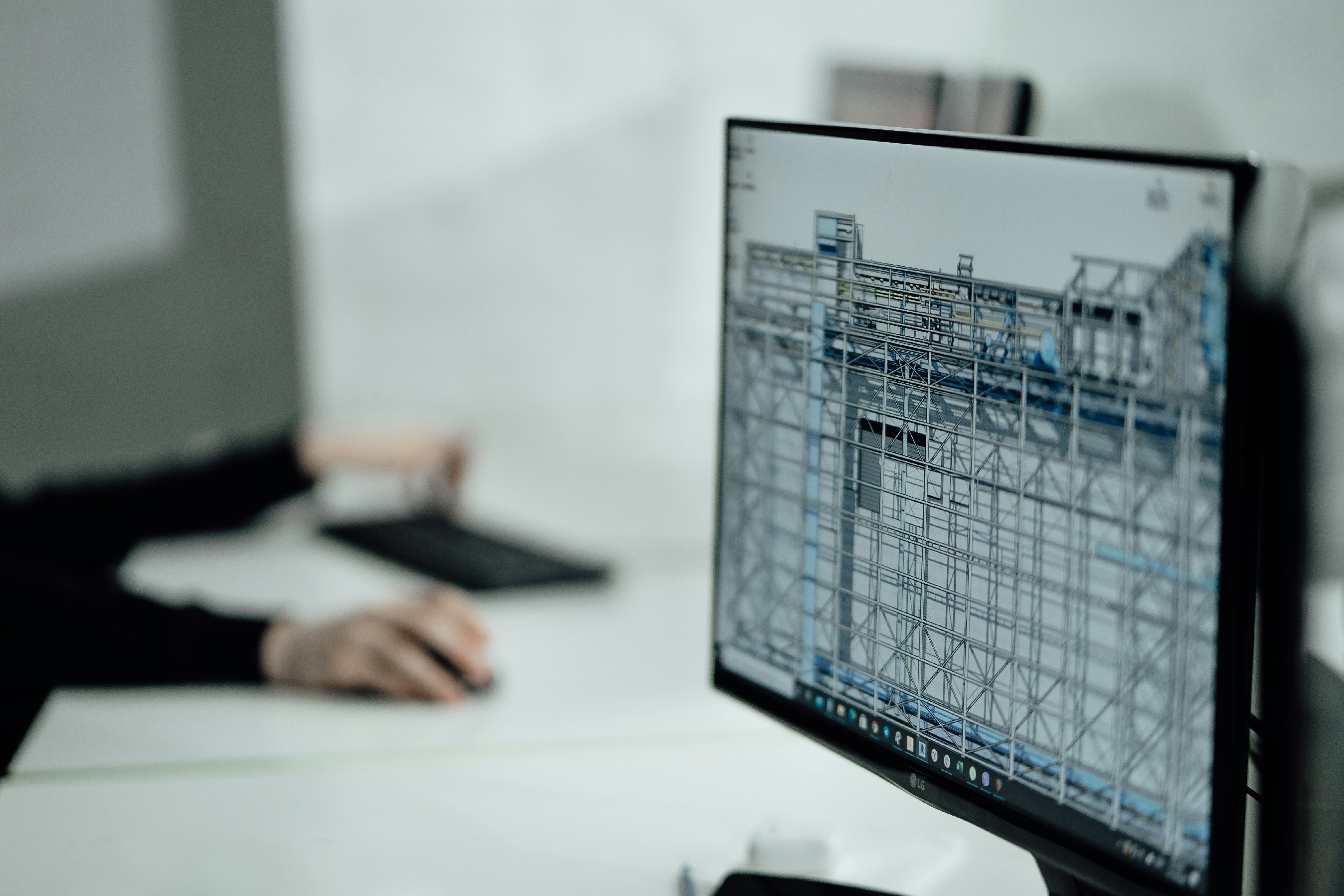
2D reviews often hide interferences or unclear task sequences. BIM environments provide 3D walkthroughs, 4D schedule-linked animations, and 5D cost associations that help teams understand the project as a whole.
These visual tools support better coordination, more realistic planning, and early elimination of errors that traditionally surface on site.
2. Resource and Cost Oversight Through 5D BIM
Cost and resource planning are vulnerable to shortages, inaccuracies, and late changes. When quantities and materials are tied directly to the model, updates become more predictable and transparent.
Quantity surveyors and planners can:
- test alternatives
- assess the impact of design changes
- maintain clearer control over budgets throughout the project lifecycle
This reduces the likelihood of unplanned overruns and helps keep financial risk visible rather than hidden in disconnected spreadsheets.
3. Automated Regulatory and Standards Checks
Compliance issues create delays, redesign costs, and administrative setbacks. Many BIM environments allow for rule-based checking, automating parts of the review process and providing more consistent outputs.
This reduces manual oversight load and supports alignment with project codes and standards across different jurisdictions.
4. Unified Collaboration Platforms
Fragmented communication is a major source of risk. A shared BIM platform acts as a central repository where updates propagate across all disciplines simultaneously.
When architects, engineers, and contractors are working from the same model:
- conflicting revisions are reduced
- misunderstandings are less frequent
- coordination meetings become more about decisions, less about reconciling drawings
The result is a more integrated workflow and fewer surprises on site.
5. Precision Clash Resolution
Clashes found during construction are among the costliest problems a project can face. BIM’s clash detection tools allow teams to surface and resolve conflicts, especially in dense MEP and structural zones, before they reach the site.
Detecting and resolving clashes during coordination:
- limits emergency redesigns
- reduces rework and site disruption
- improves confidence in the construction sequence
It is one of the most direct ways BIM reduces risk.
6. Site and Logistics Safety Through Model-Based Planning
Site safety depends heavily on sequencing, access routes, and equipment placement. Model-based planning enables teams to test scenarios for crane paths, delivery staging, temporary works, and workforce circulation.
These simulations support both operational efficiency and safer site conditions by making it easier to identify:
- congested access routes
- unsafe overlaps between trades
- inefficient material handling zones
Issues can be addressed at planning level rather than learned the hard way on site.
7. Reliable As-Built and Handover Documentation
Accurate as-built information simplifies maintenance and future upgrades. BIM environments can produce verifiable, asset-linked datasets (including COBie formats) that help facility teams manage long-term building performance.
Well-structured as-built models support:
- clearer maintenance planning
- easier upgrades and refurbishments
- better understanding of what is actually installed
This reduces operational risk for owners and operators long after construction finishes.
The Role of BIM Going Forward
BIM continues to evolve beyond coordination. Emerging trends include:
- AI-assisted clash prediction and schedule risk analysis
- IoT-linked monitoring for real-time adjustments
- automated compliance checks
- multi-scenario planning and simulation
- integration between risk platforms and design models
These advances allow project teams to move from reactive oversight to more predictive, data-backed decision-making.
Why We Are Expanding Into BIM Engineering Services
Many international markets have already integrated BIM deeply into project delivery. As part of our broader strategy, we are developing a BIM and digital-delivery capability through regional partnerships with experienced teams in Thailand.
Our goal is to bring structured, model-based risk management into the way we support complex projects, whether in design, cost control, or project oversight, while being clear that this is a capability we are actively building, not a history we are retroactively claiming.
If you are exploring BIM for upcoming projects or want to understand how digital coordination might change your risk profile, we are always open to a conversation.
Ready to Build with Confidence?
Whether you need project management, construction oversight, or design coordination, we're here to help.
Related Articles
When Buildings Make Us Sick
November 5, 2025
Why human health is becoming a primary design metric, and how BIM enables healthier, evidence-based architecture.
Read more →
Five Construction Risks in Cambodia
January 8, 2026
Global construction trends don’t fail in Cambodia because they’re unfamiliar. They fail when risk is quietly relocated without the structure to absorb it.
Read more →
The Invisible Nature of Risk
December 31, 2025
Risk is difficult to value when it has never had to show itself. Much of our work only becomes visible in retrospect.
Read more →