What the Hong Kong Fire Reveals About EPS/XPS
December 10, 2025

Chenla Agathos Solutions
Team Blog
Updates and insights from our project management, construction management, and quantity surveying teams.
View on LinkedIn →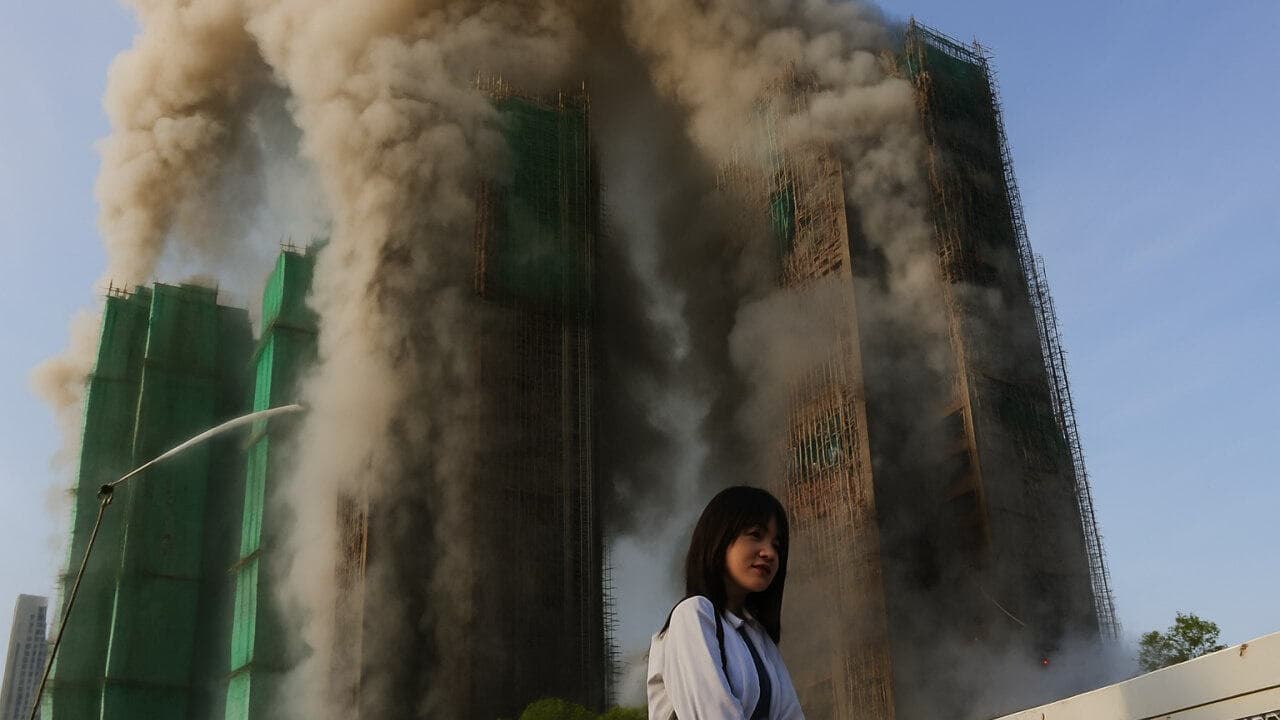
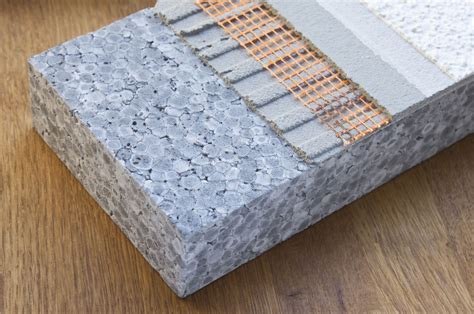
The recent fire at Wang Fuk Court in Hong Kong has drawn international attention not only because of its scale, but because of what it reveals about modern construction materials, especially the widespread use of EPS/XPS polystyrene foam.
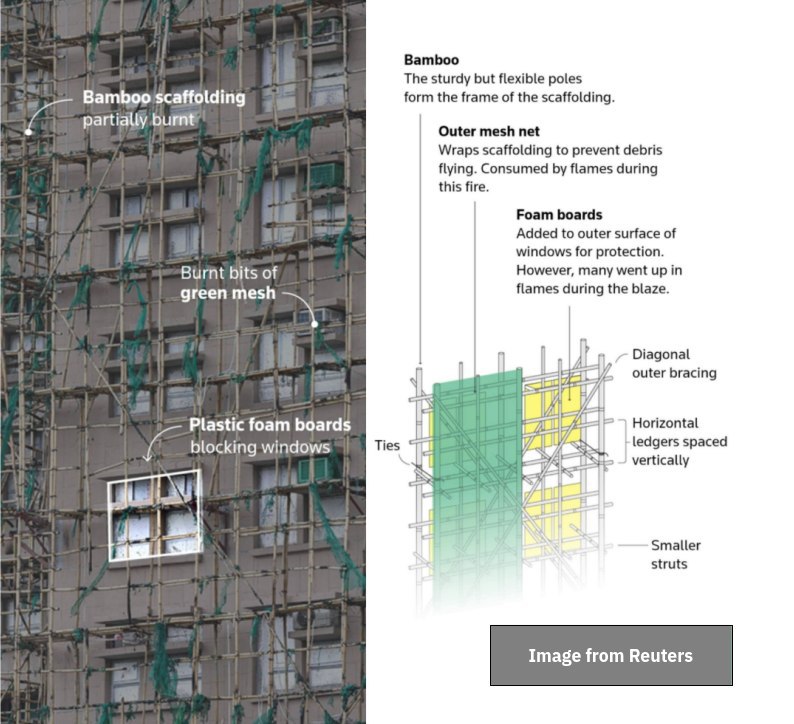
The housing estate consists of eight towers, each about 31–32 floors, with nearly 2,000 residential units. Early reports from international news agencies indicate that the fire spread rapidly along:
- Bamboo scaffolding
- Protective plastic mesh
- Polystyrene foam boards used to cover windows during renovation
Authorities believe these foam boards likely contributed to rapid flame spread and dense toxic smoke.
While investigations are ongoing, the incident highlights a much broader global issue.
EPS/XPS Foam: A Growing Trend in Construction
Across Asia, Europe, and North America, EPS and XPS foams have become extremely popular for:
- Façade decorations
- Lightweight cladding
- Interior features
- Thermal insulation
- Rapid, low-cost systems
They offer advantages that drive widespread adoption:
- Easy to shape or CNC cut
- Accepts coatings and paints well
- Lightweight
- Fast to install
- Very cost-effective
But the Hong Kong fire reminds us:
Foam is not dangerous by default, but it must be part of a properly engineered, tested, and controlled system.
Material Safety Depends on System Design, Not the Foam Alone
In many markets, including Southeast Asia where our firm operates, we see recurring gaps:
Certificates often do not match real performance.
This includes:
- Fire resistance
- Acoustic ratings
- Thermal insulation
- Weathering
- Durability
Sometimes it’s unintentional; the certified sample simply doesn’t match the delivered product.
Foam can be safe, but not when used casually.
To use EPS/XPS in façades or sensitive areas, several conditions must be met:
- Use fire-retardant grade foam
- Test the foam in a certified laboratory
- Design a complete, integrated wall system
- Add fire barriers around windows, doors, and penetrations
- Test the entire system, not just the raw material
Many countries require full-system testing for façade assemblies.
Our Experience in Southeast Asia
Across the region, we observe:
- Major inconsistencies between supplier datasheets and real test results
- Projects using foam-based systems without proper verification
- Foam applied in locations with critical fire exposure (façades, soffits, feature walls)
Because of this, we maintain an internal policy:
For residential, high-occupancy, or fire-sensitive projects, we recommend laboratory testing regardless of supplier certificates.
For smaller projects, the cost and complexity of proper testing often outweigh the benefits, which is why we have not used EPS/XPS as a primary façade material in any of our own projects to date.
A Global Lesson
The Hong Kong fire is not just a local tragedy, it reflects a worldwide trend:
- Lightweight decorative systems are increasingly common
- Foam materials are used for speed and cost
- Fire safety testing often lags behind market adoption
The essential message for the industry:
EPS/XPS can be safe, but only when used within a properly engineered, tested, and verified system.
For architects, developers, and contractors, this is a clear reminder:
Cost-effective materials must still meet the highest safety standards, especially in residential and high-risk environments.
Ready to Build with Confidence?
Whether you need project management, construction oversight, or design coordination, we're here to help.
Related Articles
Smaller Windows, Better Performance?
October 27, 2025
In Japan, a quiet design shift is taking place, smaller windows, fewer openings, and smarter efficiency. Could this trend make sense in Cambodia?
Read more →
When Less Reveals More
October 30, 2025
A reflection on Japan’s quiet design shift, and what it teaches us about efficiency, balance, and the beauty of restraint.
Read more →
Roman Concrete: Material Intelligence That Lasts
February 5, 2026
Roman concrete endures not through brute strength, but through a material logic that anticipated change, imperfection, and time.
Read more →