Phnom Penh’s Next Decade: Standards and Coordination
November 20, 2025
Chenla Agathos Solutions
Team Blog
Updates and insights from our project management, construction management, and quantity surveying teams.
View on LinkedIn →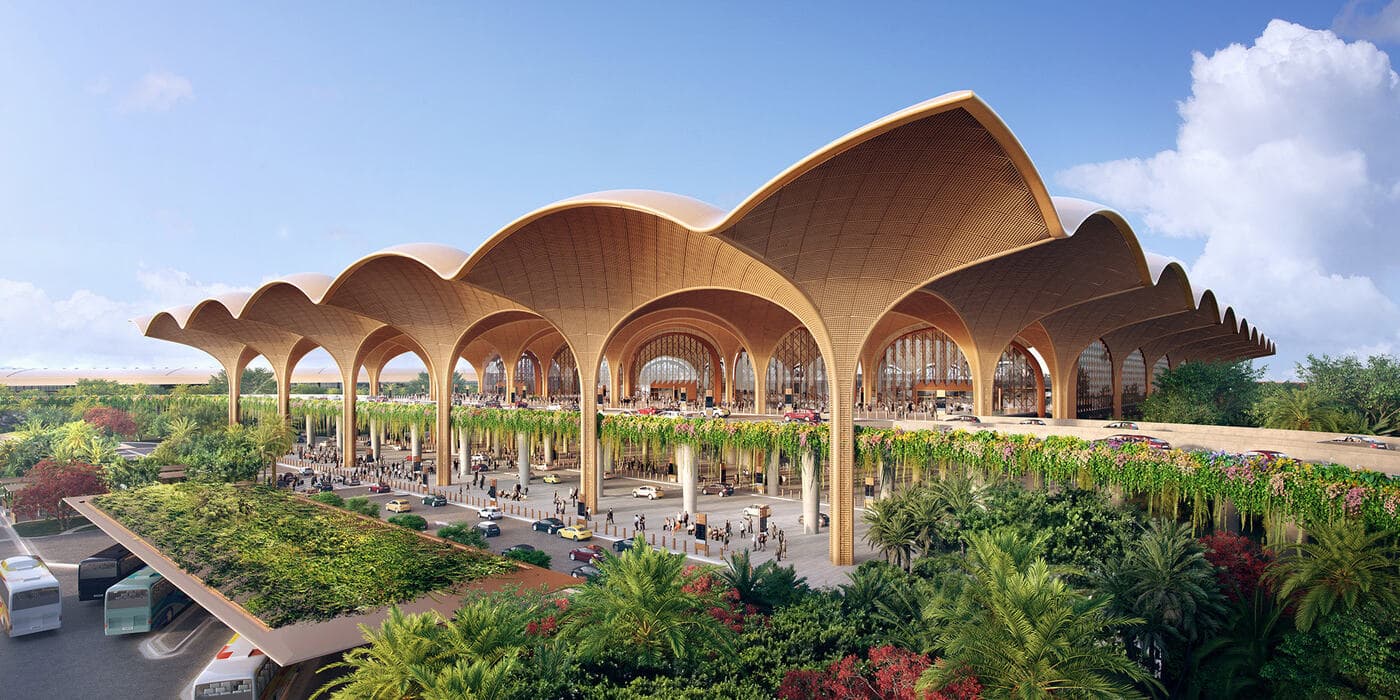

Background
Mekarcube recently published an in-depth interview on how Phnom Penh is evolving as the market matures and how development teams can build for long-term value rather than speed or volume alone.
The conversation focused on several structural shifts:
- clearer expectations from investors, tenants, and homebuyers
- new infrastructure corridors around Techo International Airport
- recurring integration issues across MEP, IT, and controls
- the need for tighter coordination and early alignment
These are not abstract trends; they shape cost, sequencing, and lifecycle outcomes on every project.
Market Maturity and the Redefinition of “Growth”
As Phnom Penh enters a consolidation phase, the next wave of development is likely to be defined less by rapid expansion and more by:
- higher standards
- better-built assets
- stronger professional management
- predictable, resilient performance
Quality, comfort, and operational reliability are becoming central to value, not add-ons.
“Premium will mean fewer projects, built better.”
This pattern is consistent with regional cities that transitioned from speculative cycles to value-preserving development models.
Operational Performance Starts with Fundamentals
Sustainability is shifting from a marketing label to a core operational strategy.
For Cambodia’s climate and building usage patterns, performance is driven by three fundamentals:
- Passive design: orientation, shading, insulation
- Efficient systems: MEP optimization, commissioning, metering
- Ongoing tuning: soft-landing, periodic re-commissioning
These measures directly influence:
- lower operating costs
- higher comfort
- stronger long-term market appeal
- increased Net Operating Income
Certifications only matter when they validate measurable improvements.
“Certifications matter when they validate savings and resilience.”
Key Challenges Developers Continue to Face
Despite positive momentum, several structural risks remain consistent across projects:
- Capital Access & Cost of Finance
- Regulatory Ambiguity and evolving guidelines
- Systems Integration Gaps across MEP, IT, and building controls
- Supply Volatility & Workforce Capacity
These risks reinforce the importance of realistic planning and disciplined processes.
Why Early Collaboration Defines Project Outcomes
Early alignment across project managers, cost consultants, and contractors enables:
- target-value design
- fixed interface resolution
- procurement accuracy
- smoother commissioning
- reduced lifecycle risk
“Early coordination enables target-value design and resolves critical interfaces from the outset.”
In a maturing market, coordination discipline becomes a competitive advantage.
Looking Ahead
Phnom Penh is entering a thoughtful decade, more selective, more connected, and more focused on long-term value.
We appreciate Mekarcube for the feature and for spotlighting a conversation that matters to everyone building in this city.
You can read the full interview here:
Developer Spotlight: Marcel Ventosa
Ready to Build with Confidence?
Whether you need project management, construction oversight, or design coordination, we're here to help.
Related Articles
KFK Central Kitchen Complete and Operational
August 5, 2026
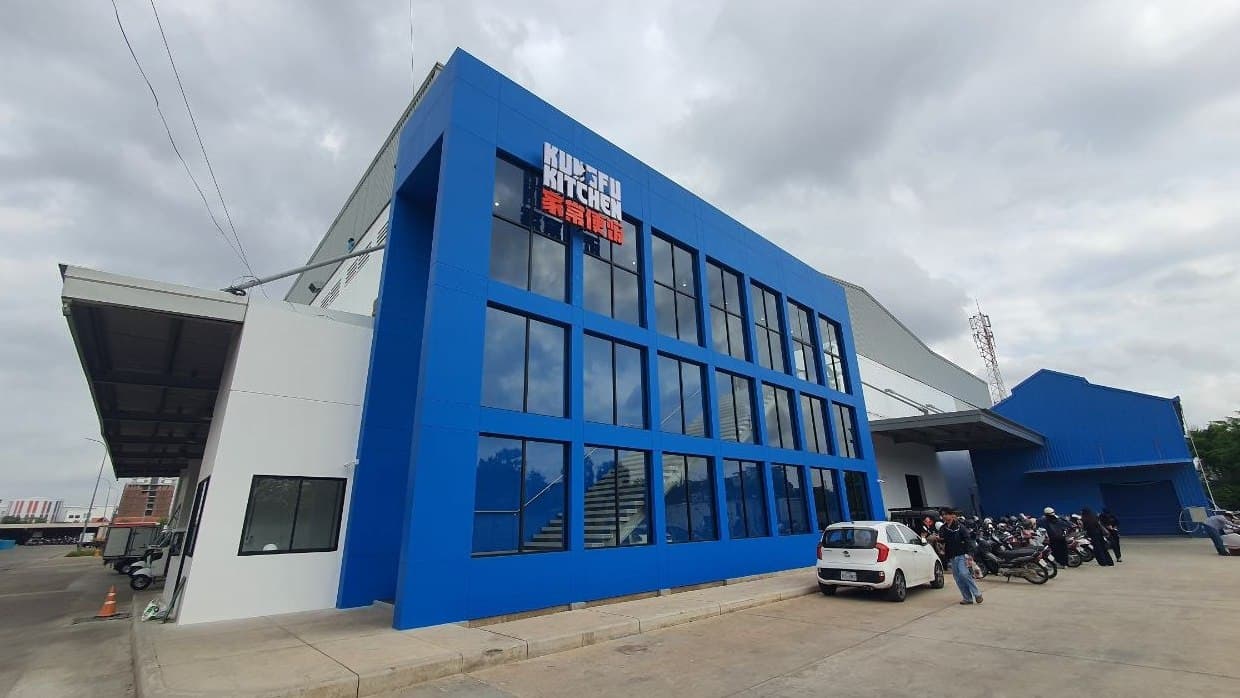
Kungfu Kitchen's new central kitchen and warehouse facility in Phnom Penh is now complete. CAS managed the project from demolition through architectural, MEP, cold storage, and handover.
Read more →
EuroCham Forum on Branded Residences
November 26, 2025
Reflections from EuroCham Cambodia’s discussion on where branded residences are headed and what the shift means for developers and operators in the region.
Read more →
When Chaos Became Manageable
November 11, 2025
How a productivity framework helped me survive my first major project as an Owner’s Representative.
Read more →