Roman Concrete: Material Intelligence That Lasts
February 5, 2026

Chenla Agathos Solutions
Team Blog
Updates and insights from our project management, construction management, and quantity surveying teams.
View on LinkedIn →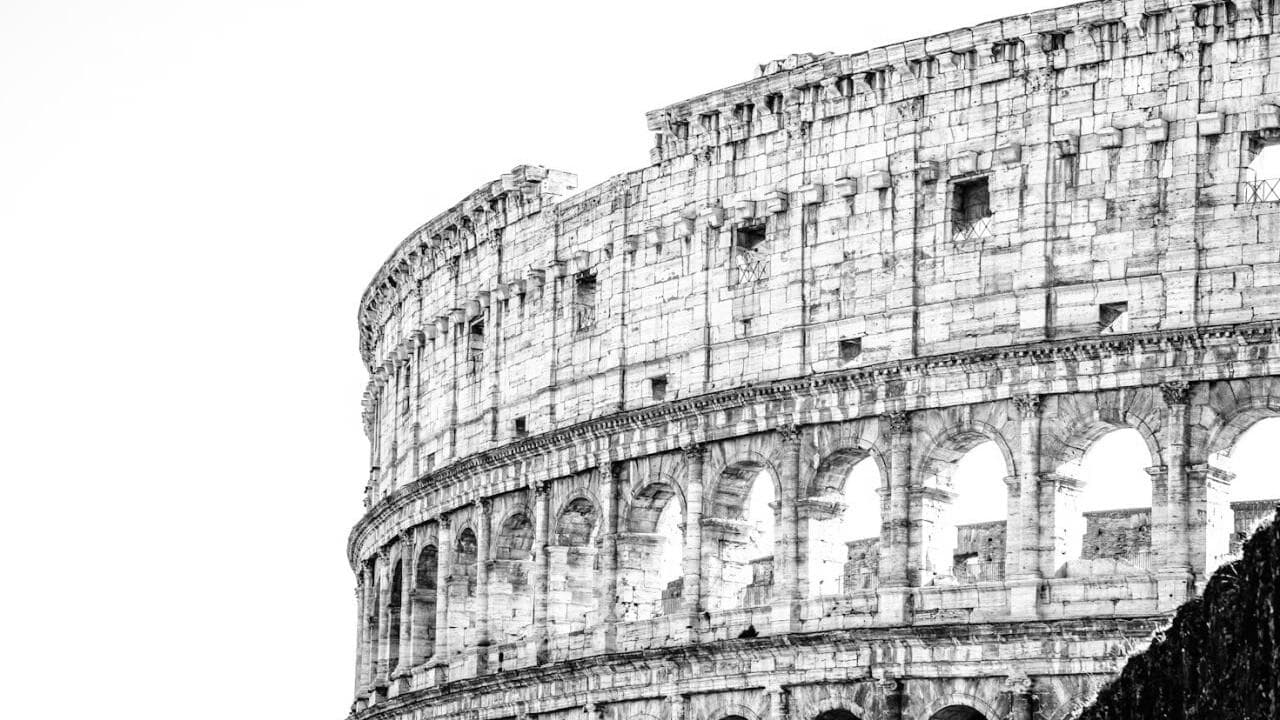
Modern construction is often measured in decades.
Sometimes, if we’re optimistic, in a century.
In structural design today, this is formalized through the concept of an intended design working life, typically 30, 50, or 100 years, a defined period during which a structure is expected to perform, assuming appropriate maintenance.
And yet, across the Mediterranean, Roman structures built nearly 2,000 years ago still stand.
They remain exposed to salt water, earthquakes, and weather cycles that would challenge many contemporary materials.
For a long time, this durability was treated as historical curiosity.
Recently, it has become something else entirely: a design lesson.
What Made Roman Concrete Different?
Roman concrete was not simply “stronger” than modern concrete.
It was designed to evolve.
Instead of Portland cement, Roman builders used a mix of:
- lime
- volcanic ash (pozzolana)
- aggregates sourced locally
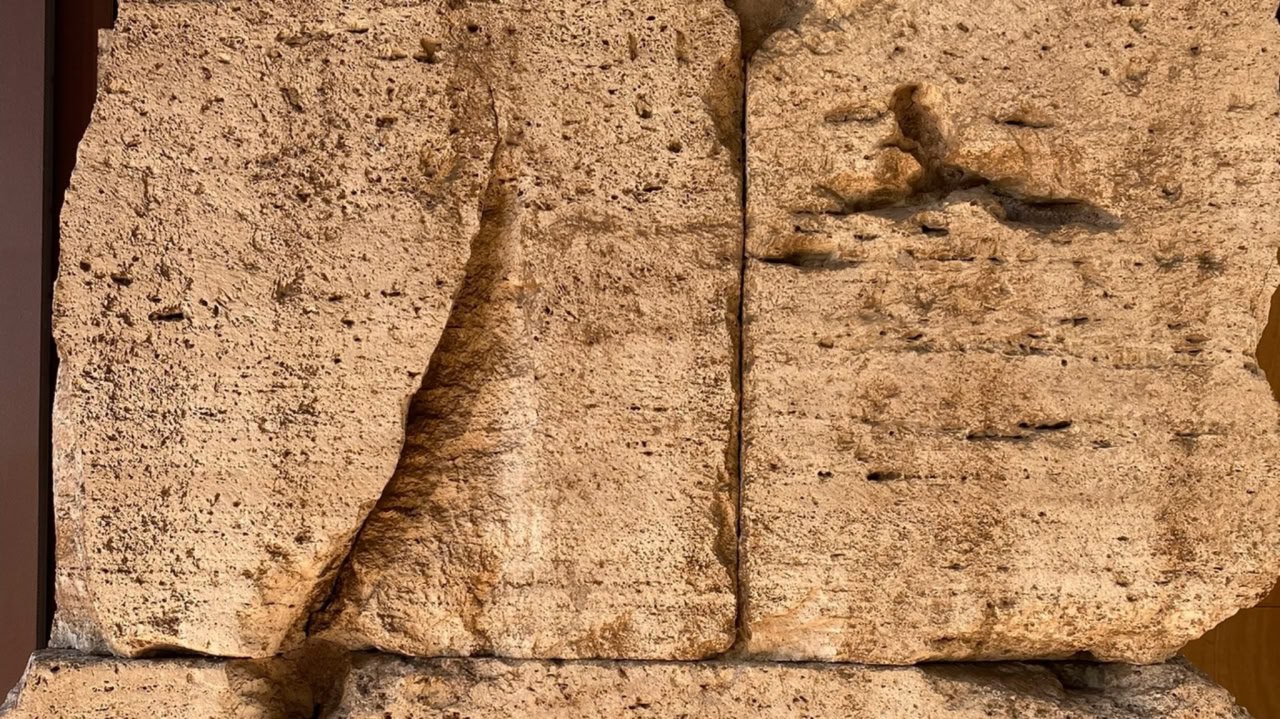
Recent research has revealed something unexpected: small lime clasts embedded in the concrete enabled the material to self-heal.
When cracks formed, water entering the concrete reacted with these lime fragments, triggering new mineral growth that sealed the cracks over time.
The material did not resist change.
It anticipated it.
A Material Designed for Uncertainty
Roman builders did not have:
- predictive modeling
- standardized material testing
- modern reinforcement theory
What they did have was a material logic that accepted a few fundamental truths:
- cracks would occur
- water would penetrate
- conditions would change
Instead of fighting these realities, the material system absorbed them.
In modern terms, Roman concrete was not optimized for initial performance alone.
It was optimized for long-term behavior.
Why This Matters for Contemporary Design
Most modern materials are designed for:
- strength at 28 days
- compliance with defined standards
- predictable short-term performance
Durability is often addressed later, through:
- coatings
- maintenance strategies
- repair cycles
Roman concrete reminds us that material choice is a design decision, not a specification footnote, and that designers participate in long-term outcomes whether they acknowledge it or not.
When materials are selected, designers are implicitly deciding:
- how change will be handled
- where failure is acceptable
- what kind of maintenance future teams inherit
These decisions become even more critical when projects are:
- geographically distant
- built in unfamiliar climates
- executed by teams spread across regions
Material Intelligence in a Global Context
Today, design teams often work across borders, designing in one place, building in another.
In this context, materials are not just physical elements.
They act as interfaces between intent and reality.
A material that tolerates variation, aging, and environmental stress can:
- reduce dependency on perfect execution
- absorb inconsistencies in construction quality
- lower long-term operational risk
This is particularly relevant in regions with:
- aggressive climates
- limited maintenance capacity
- evolving construction ecosystems
Roman concrete was, in many ways, context-aware long before the term existed.
Lessons Beyond Nostalgia
This is not an argument to recreate Roman concrete wholesale.
Modern requirements, scales, and expectations are different.
But the underlying lesson is highly contemporary:
The most resilient designs are not those that assume control, but those that anticipate change.
Material innovation today often prioritizes:
- higher strength
- thinner sections
- faster construction
Equally important, though less visible, is material behavior over time:
- how it cracks
- how it reacts to moisture
- how it ages
- how forgiving it is when conditions are imperfect
A Quiet Shift in Design Thinking
As sustainability, lifecycle performance, and resilience move from ideals to requirements, designers are being asked to think differently about materials.
Not just:
- What does this material do today?
But:
- What will it do in 30, 50, or 100 years?
Roman concrete offers a reminder that longevity is rarely accidental.
It is embedded, quietly and intentionally, at the material level.
Closing Reflection
Some of the most forward-looking ideas in design are not new.
They are rediscovered when modern challenges force us to look again.
Roman concrete endures not because it eliminated risk,
but because it assumed it would appear.
That may be its most relevant lesson for contemporary design.
Ready to Build with Confidence?
Whether you need project management, construction oversight, or design coordination, we're here to help.
Related Articles
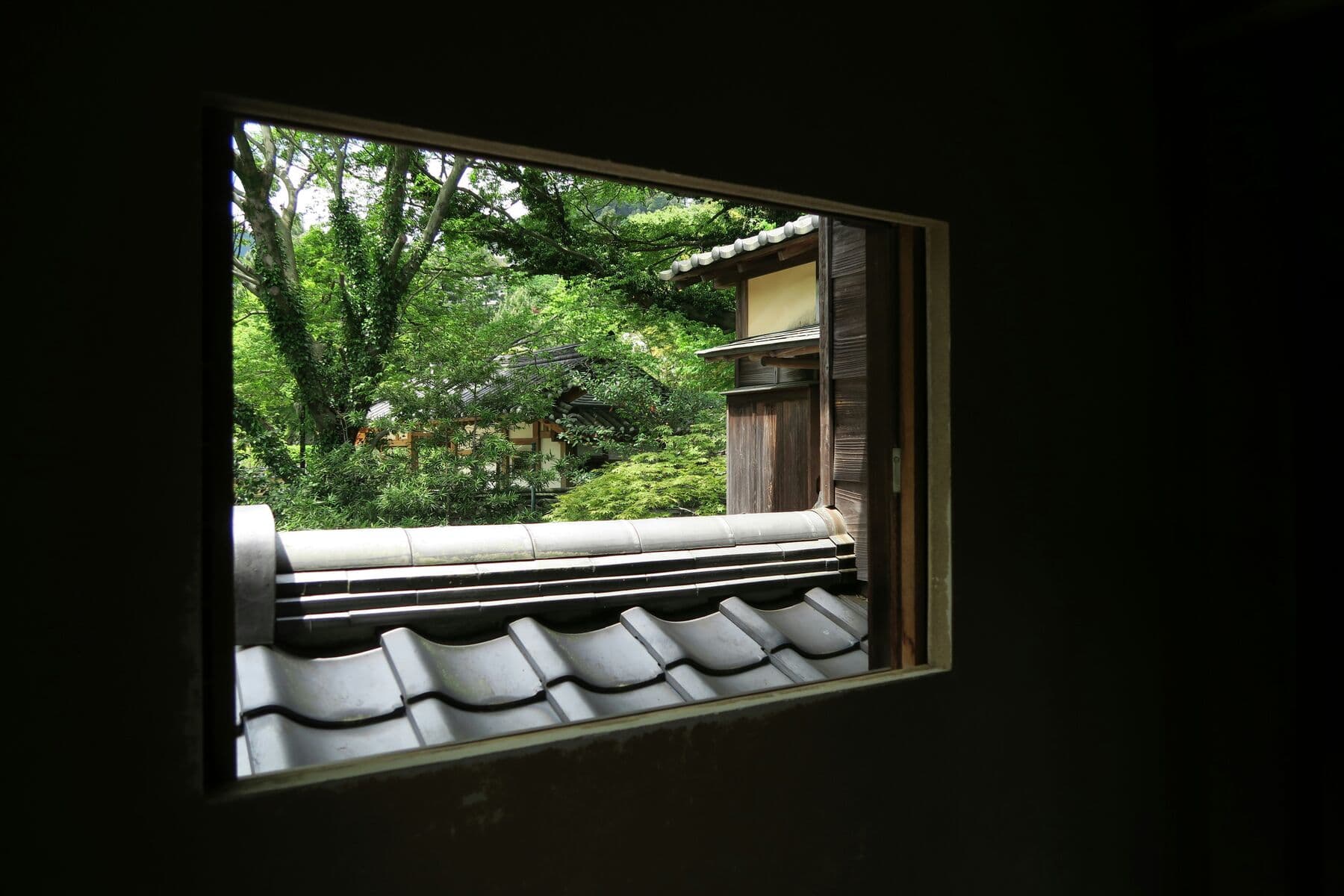
When Less Reveals More
October 30, 2025
A reflection on Japan’s quiet design shift, and what it teaches us about efficiency, balance, and the beauty of restraint.
Read more →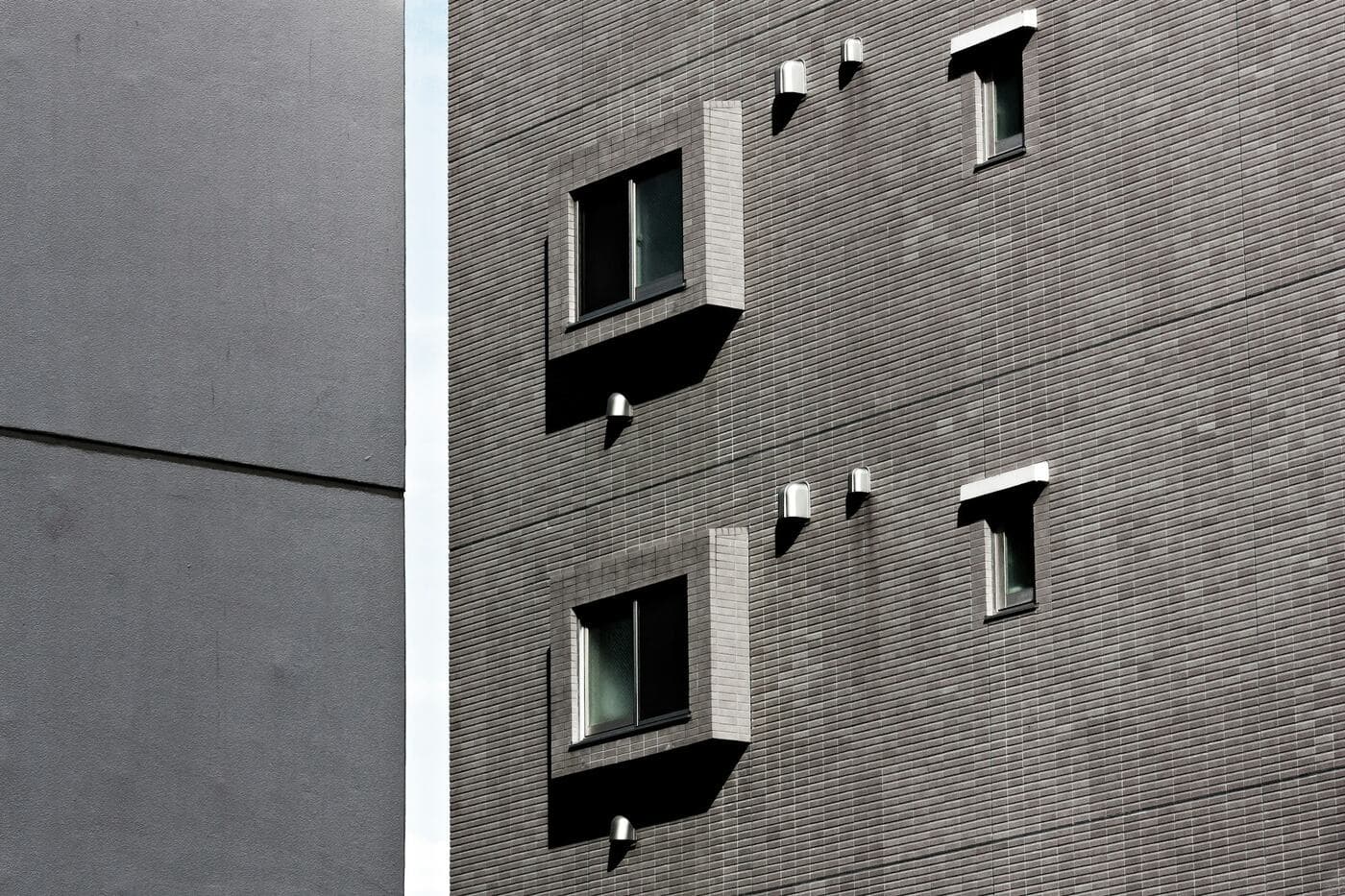
Smaller Windows, Better Performance?
October 27, 2025
In Japan, a quiet design shift is taking place, smaller windows, fewer openings, and smarter efficiency. Could this trend make sense in Cambodia?
Read more →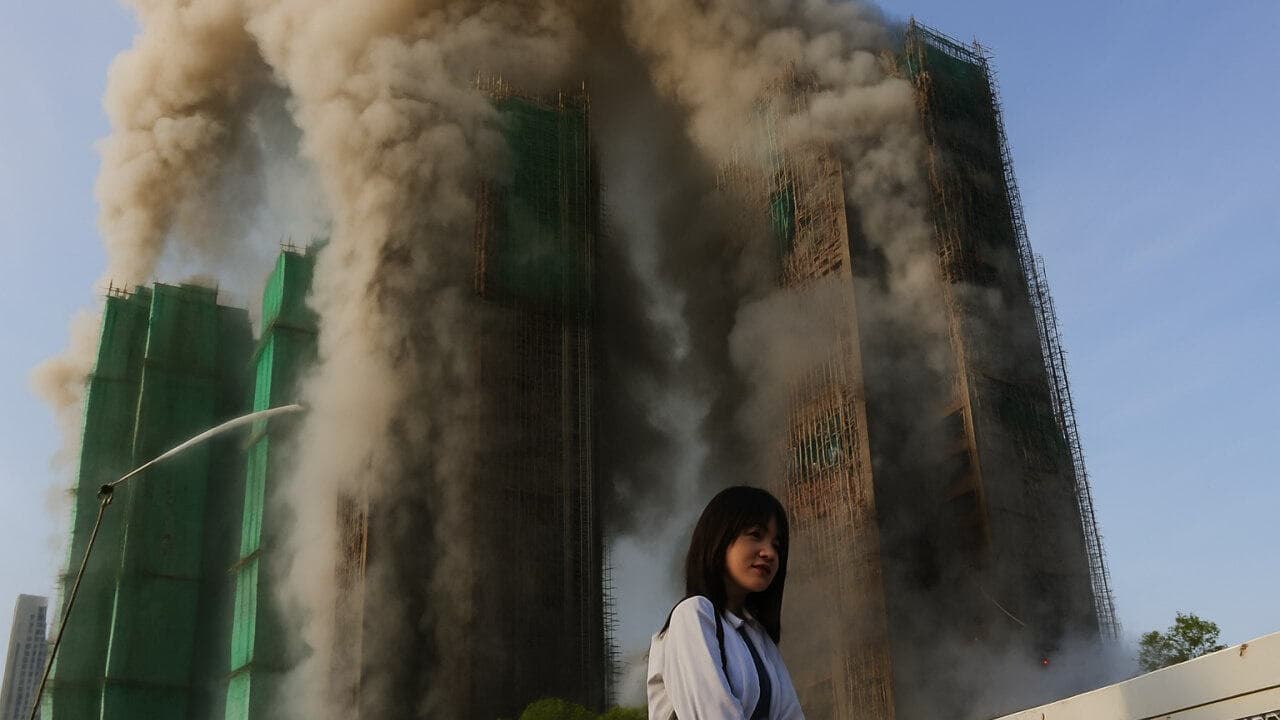
What the Hong Kong Fire Reveals About EPS/XPS
December 10, 2025
The recent Hong Kong fire highlights a growing global issue: the rapid adoption of EPS/XPS foam in construction without proper testing and system design.
Read more →