The Breathing Cure
December 9, 2025

Ning Sukosit
Project Director
Project director bridging design intent and on-site clarity. Writing on precision, teamwork, and the craft of delivery.
View on LinkedIn →
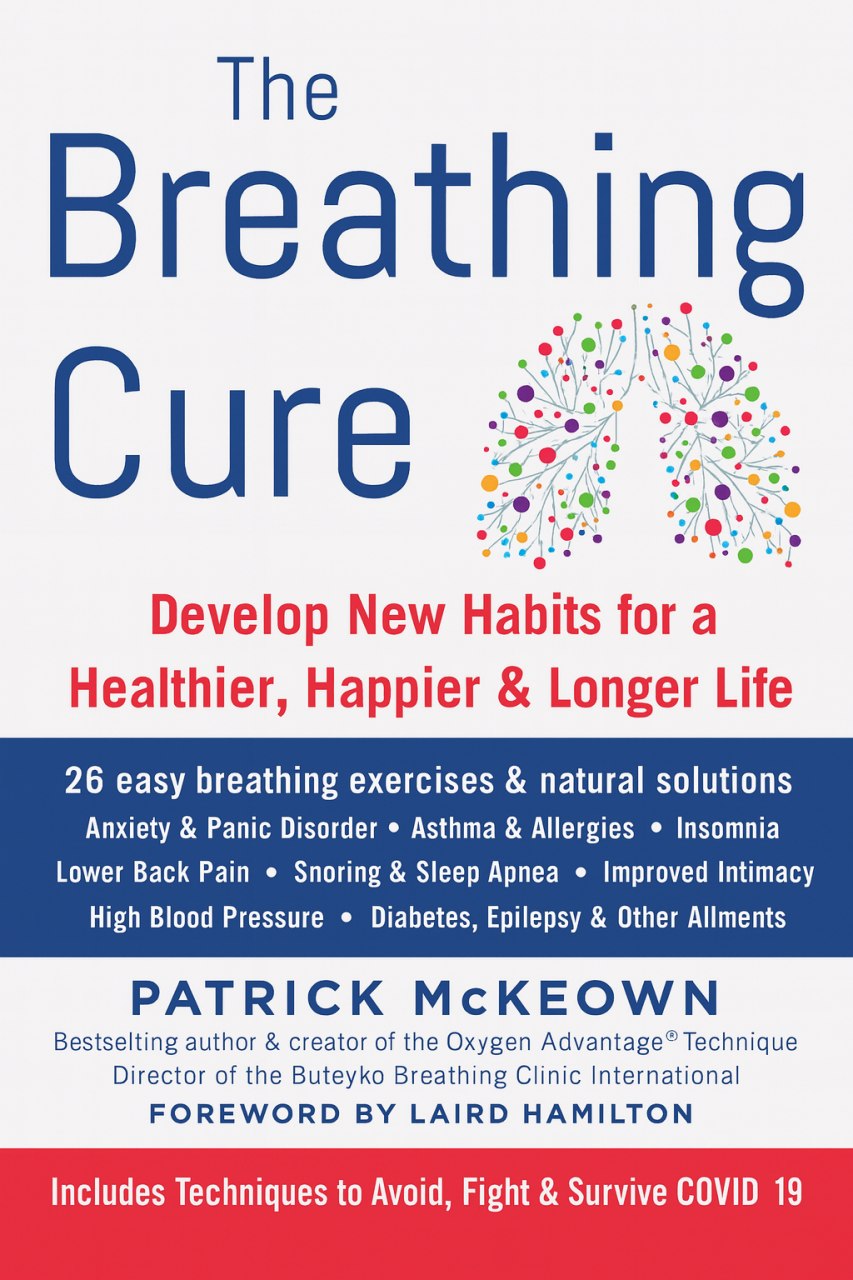
I’m reading The Breathing Cure by Patrick McKeown, and I’m surprised by how something as simple as breathing can have such a profound effect on our overall well-being. In a way, it makes perfect sense, as we do it literally all the time.
The book explains how chronic stress triggers the body to prepare for “fight or flight,” but modern life rarely provides an outlet for that energy. Over time, this can affect both physical and mental health, our energy, sleep, focus, and mood. Many people develop habits of over-breathing: too fast, too shallow, or through the mouth. This lowers carbon dioxide levels and makes it harder for the body to use oxygen effectively. A strange contradiction.
According to the book, breathing correctly is essential to our well-being. And doing so is simple yet powerful:
breathe less, breathe slower, breathe through your nose, and with your diaphragm.
When we breathe this way, we help the body return to a natural rhythm, one that supports calm, balance, and clear thinking.
I’ve started practicing breathing softly and slowly, with a gentle pause between breaths. It helps me sleep better, and I’m curious to see what else I’ll learn as I continue.
If you ever feel you need to reset your body and mind, this book might be worth picking up.
Ready to Build with Confidence?
Whether you need project management, construction oversight, or design coordination, we're here to help.
Related Articles

You Cannot Manufacture Readiness
May 5, 2026
Fifteen years ago I ran a small factory in central Mexico. I saw potential in a young employee and decided to invest in him. On the morning I arrived with my offer, he was already gone.
Read more →
Small Moments, Quiet Continuity
November 26, 2025
A quiet thread across generations, passed on without ceremony.
Read more →
Intelligence All Around Us
September 10, 2025
AI may not replace us, it may reveal we were never the only intelligence in the room.
Read more →